

SANDUSKY — Following a unanimous ruling from Ohio’s Sixth District Court of Appeals tossing four felony intimidation counts against Ashli Ford, her defense attorney, Peter Pattakos, took to social media to celebrate.
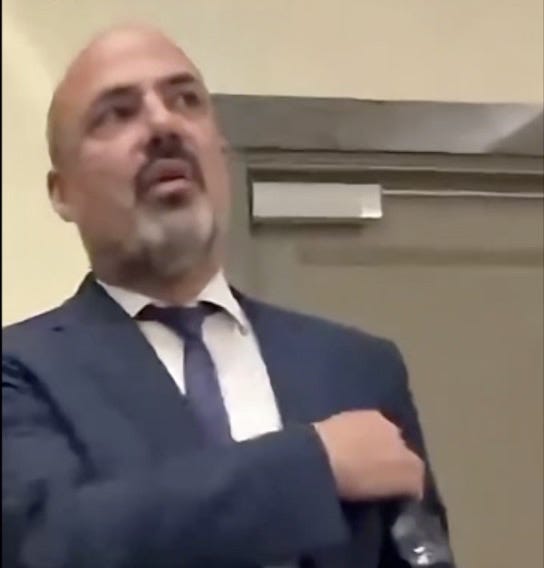
In a sweeping Facebook post, Pattakos declared the 21-page opinion a “ringing endorsement” of First Amendment freedoms and claimed prosecutors in the Huron-Ottawa-Erie tri-county region are now “0 for 33” across various charges leveled against Ford over the last two years. He capped the post by signaling an appetite for a civil payout, predicting the saga “should end with a substantial payment from Erie County’s insurer.”
It is a classic piece of defense attorney theatre—part genuine victory lap, part public relations maneuvering. But a closer look at the legal landscape reveals a far more complex reality than the posturing suggests.
◀ Reversal is not acquittal
Pattakos’s “0 for 33” math conflates distinct legal outcomes. An appellate reversal based on constitutional free speech grounds—specifically holding that Ford’s sharp online political criticism did not cross the legal threshold into criminal intimidation—is a meaningful First Amendment decision. However, it is fundamentally different from a jury acquitting a defendant on the underlying facts.
More importantly, declaring total victory ignores the primary legal hurdle Ford still faces.
🐘 The elephant in the courtroom
While the defense team focuses public attention on constitutional speech arguments, Erie County’s prosecution against Ford is far from over. Still on the docket is a separate 13-count felony indictment alleging serious financial crimes, including mortgage fraud, theft, forgery, and perjury.
Free speech protections under the First Amendment offer no shield against allegations of financial fraud and falsified documents. By framing the appellate ruling as a total collapse of the state’s efforts, the defense is attempting to anchor a public narrative of complete exoneration just as a trial centered on complex financial evidence approaches.
↗ Uphill battle for a ‘payday’
Pattakos’s suggestion that Erie County’s insurance carrier will soon be cutting a massive check for an “unconstitutional nightmare” makes for great social media copy, but it faces steep legal realities:
Prosecutorial Immunity: Prosecutors and municipal officials enjoy broad absolute and qualified immunity under Ohio and federal law.
The Probable Cause Bar: Civil rights and malicious prosecution claims require proving an absolute lack of probable cause—an extraordinarily high bar to clear given that a visiting judge initially found sufficient evidence to convict.
The Baumgartner Precedent: In his post, Pattakos referenced the court distancing itself from precedents involving disbarred attorney Elsebeth Baumgartner. While legally relevant to free speech analysis, drawing parallels to one of the region’s most notoriously sanctioned litigants is a bold strategic choice.
╰┈➤ The Bottom Line
Pattakos is doing what any aggressive defense attorney is paid to do: maximizing public momentum from a legitimate appellate win to project invincibility and set the stage for civil negotiations.
The Sixth District’s ruling is unquestionably a significant First Amendment decision regarding online speech aimed at public officials. But until a jury weighs in on 13 counts of felony fraud, calling the book closed on Ashli Ford’s legal battles is pure spin.
What do you think of the media coverage surrounding regional court cases? Are local outlets missing the mark, or are defense teams just playing to the court of public opinion? Drop your thoughts in the comments below!
Another good read
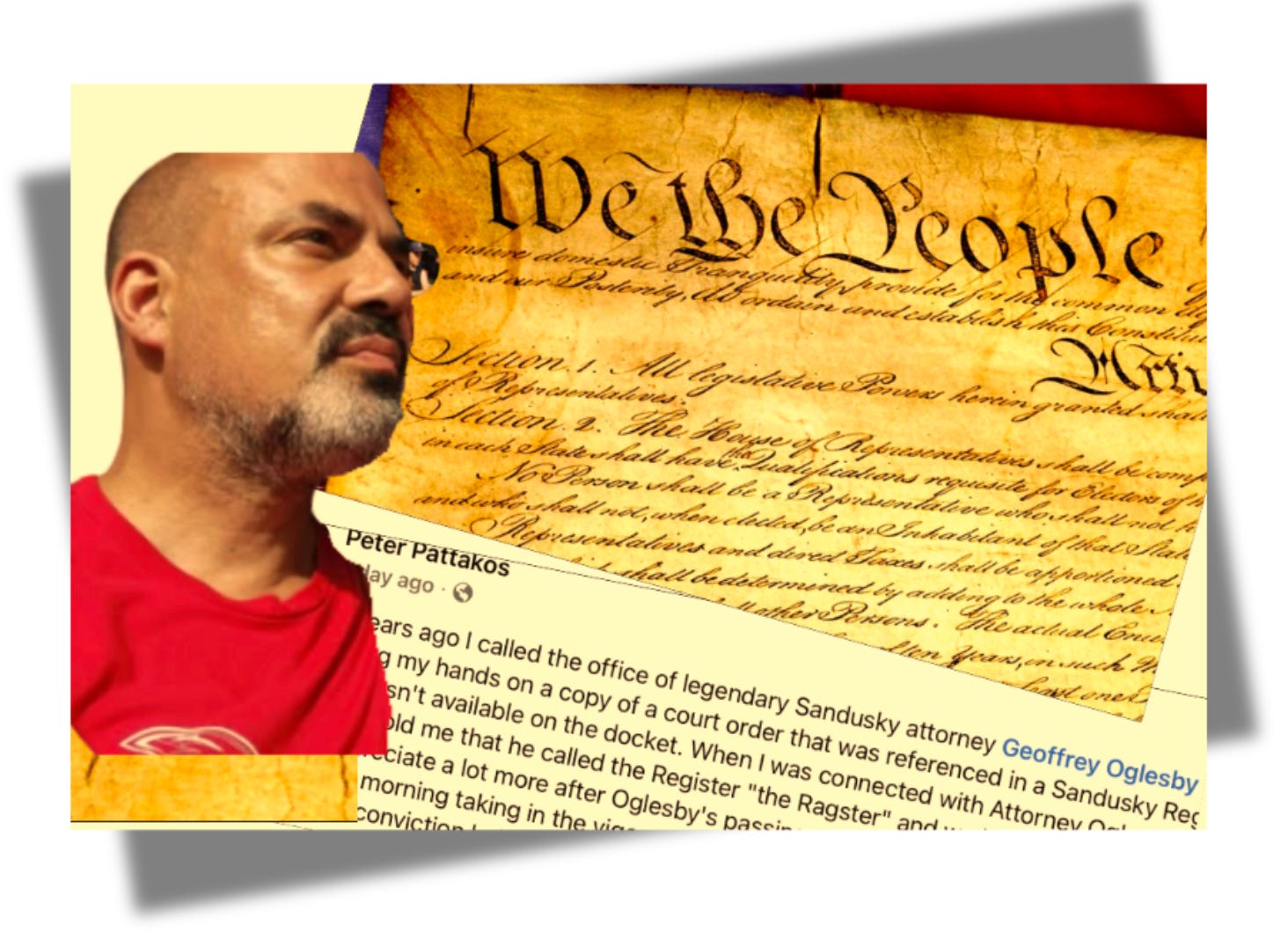
First Amendment attorney wages war on local media
In a lengthy social media broadside this week, defense attorney Peter Pattakos didn’t just celebrate his appellate victory—he launched a scorched-earth attack on local press coverage, invoking legendary Sandusky attorney Geoffrey Oglesby’s nickname for the Sandusky Register (“the Ragster”) and claiming mainstream reporters write “from another planet.”
Why do criminal defense teams lash out at local reporters when court dockets don’t match their public relations narratives? And why are defense attorneys urging the public to embrace “alternative information networks” while simultaneously complaining to the Ohio Supreme Court about independent reporting?
Read Part 2 now: The Defense Attorney’s Dilemma: When the Local Newspaper Won’t Print Your Spin
Partakes needs to get Ashli money or he won’t get paid