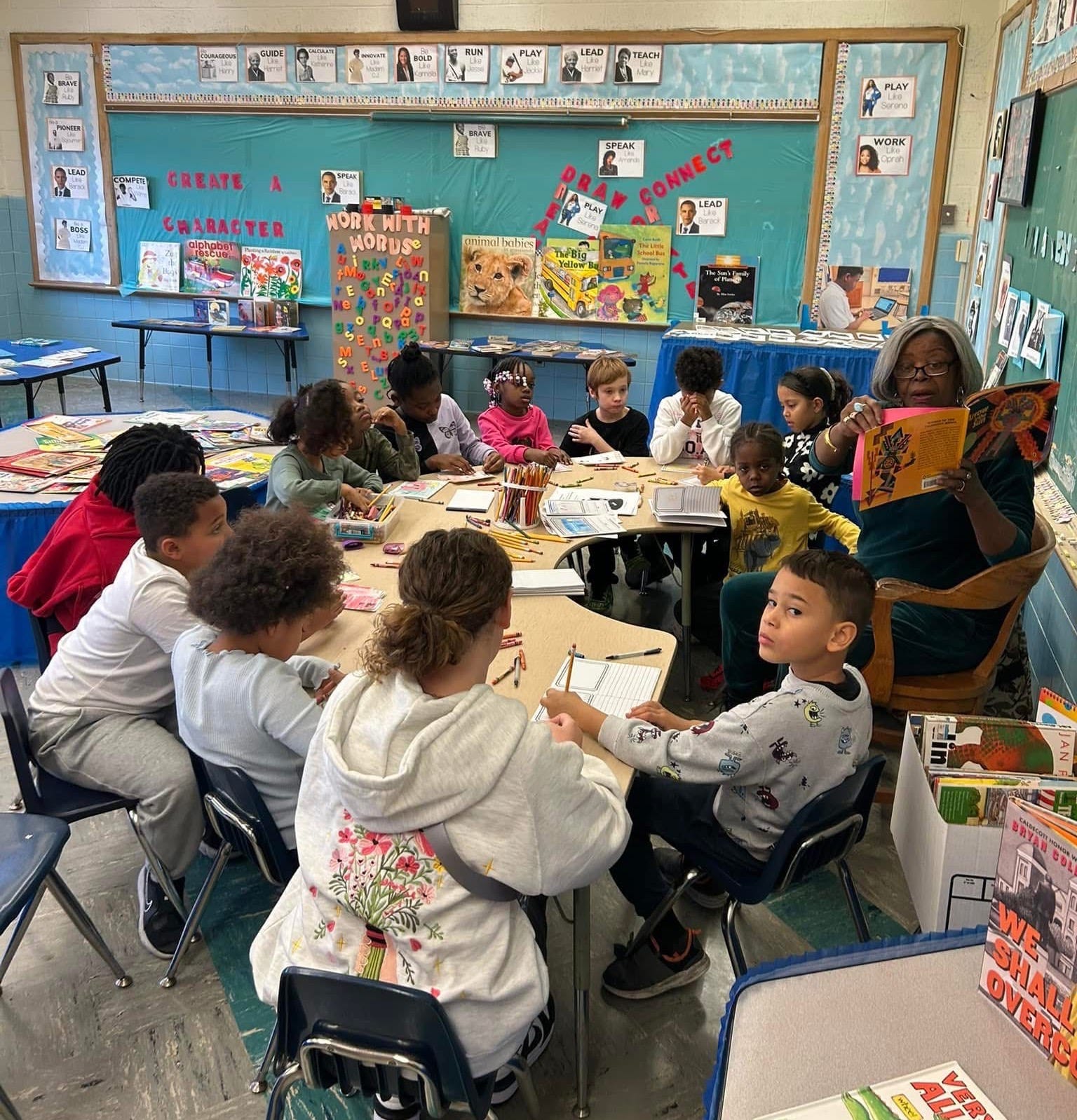
SANDUSKY — Following the recent departure of long-time youth program supervisor Tondra Frisby, Sandusky officials and city leadership reaffirmed their commitment to local youth programming.
But a closer examination of the city’s interim staffing strategy, official statements, and the organizational framework supporting out-of-school programs reveals growing questions about how the city intends to preserve the scope and relational impact of those services.
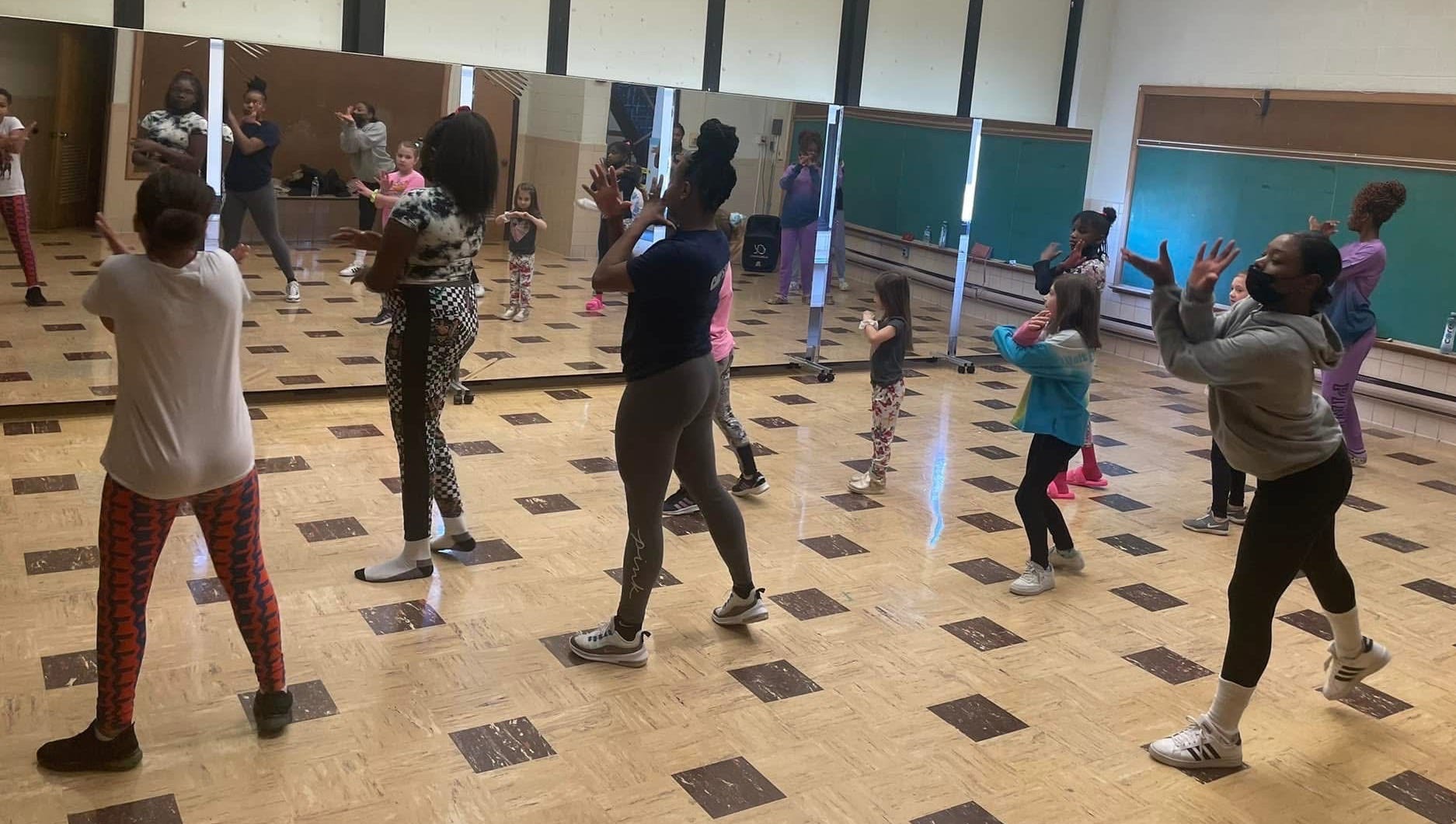
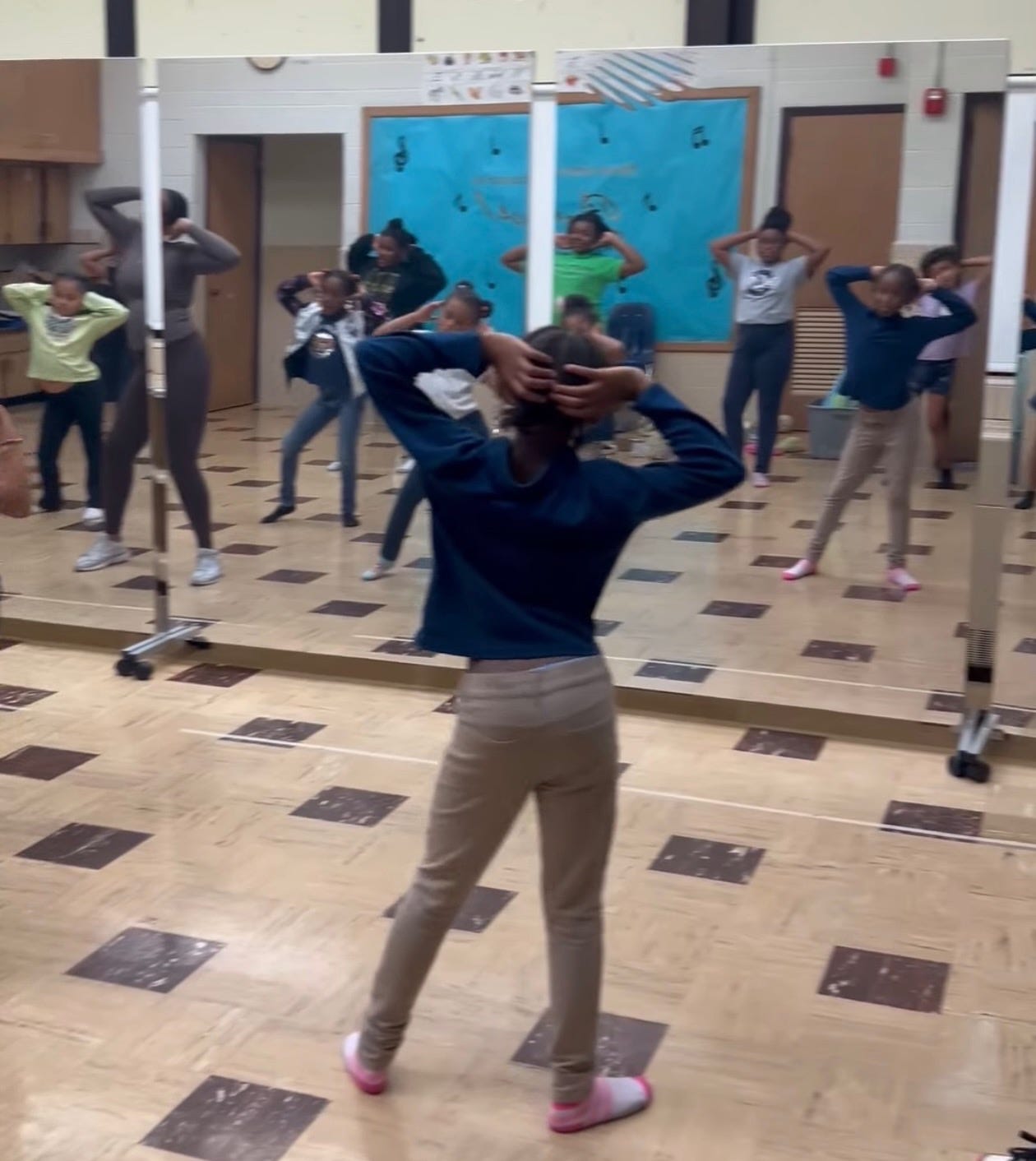
In statements provided to the Sandusky Register September 30, city manager John Orzech and City Commission President Kate Vargo emphasized that youth recreation remains a top priority, pointing toward the planned opening of Sandusky’s new multi-million-dollar recreation facility next July as a major milestone.
“Investing in our youth helps create a generation of residents who feel connected to and invested in our community,” Orzech stated, adding that the city posted a job opening for a new community programs supervisor to oversee youth operations moving forward.
Vargo echoed those sentiments, telling the Register that youth services are a top priority and central to her work on the City Commission. “I am committed to expanding youth recreation programming throughout our entire community, ensuring that children and families have access to engaging, enriching activities year-round,” she said.
OK but, OK, but and OK but
While leadership seeks to project confidence toward next summer’s facility opening, the immediate, day-to-day management of the city’s out-of-school programs at the former Mills Elementary building relies on a leaner operational structure. With Frisby’s departure, the “mayor has left the building,” one resident familiar with the programming said. She has big feet, they suggested.
According to details provided by the city manager, the current after-school program at Mills serves an average of 45 children daily from 3:30 to 7 p.m., Monday through Thursday. To staff the program in Frisby’s absence, the city is utilizing its five existing part-time recreation attendants, with full-time staff rotating supervisory oversight.
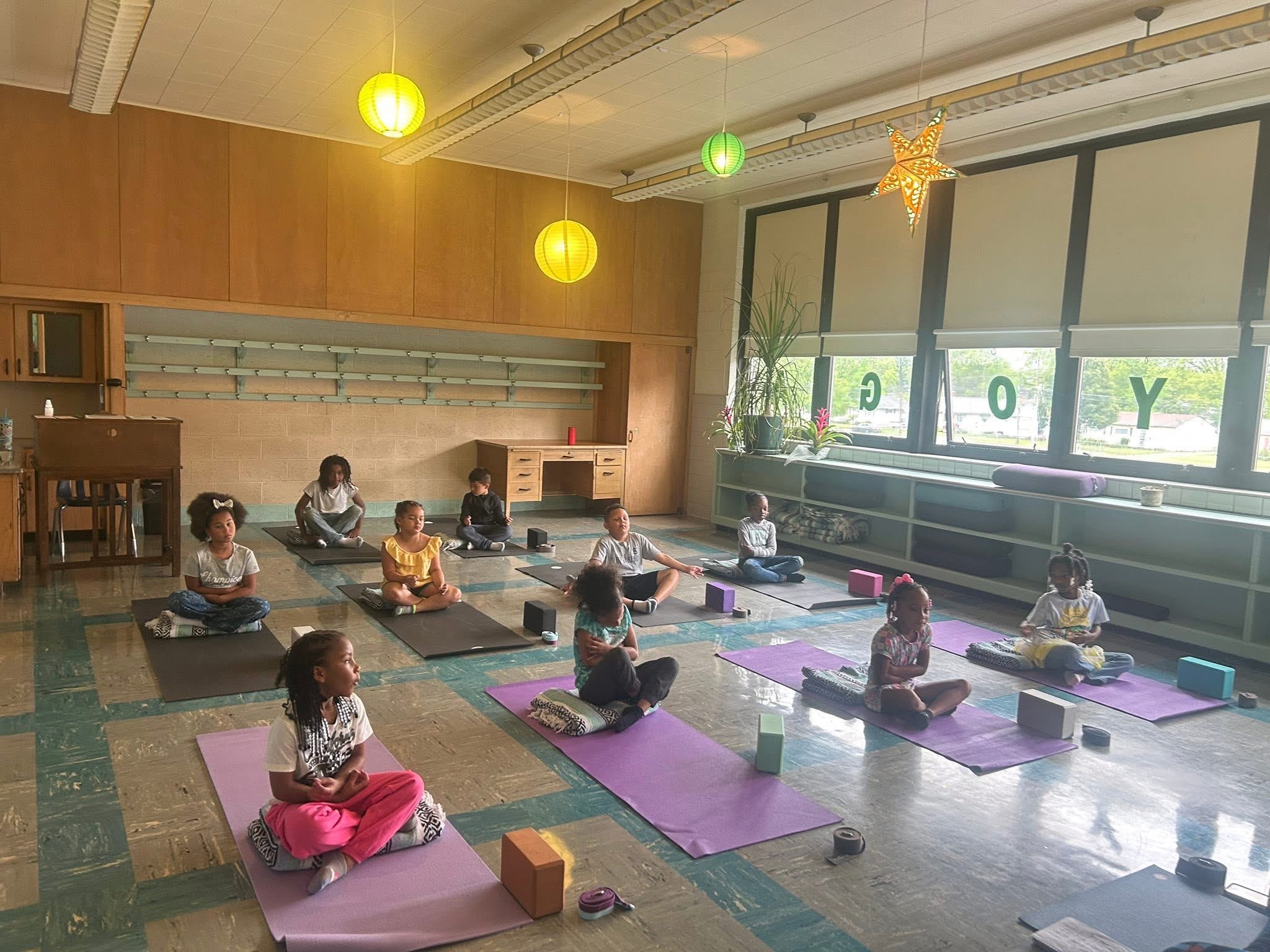
Orzech said one part-time employee who has been with the program for several years “has expressed an interest and willingness in being the lead rec attendant.” That same employee recently applied early, before the job posting, for Frisby’s position, according to the source, and never received an acknowledgment.
The city’s decision to rely on part-time attendants raises practical questions about staff retention, career advancement, and institutional support. Questions about systemic disadvantages that Black employees confront also have been raised, but it's not a topic that gets discussed openly, pretty much anywhere. It’s not unique to the city’s staff; it’s an ever-present workplace issue.
From James Baldwin to Michelle Obama, for minorities, the disadvantages in the workplace, and in life, are to be expected, according the generational lessons of time.

“There's an age-old maxim in the Black community: You've got to be twice as good to get half as far,” the former First Lady wrote in her 2018 autobiography.
Qualified, local part-time staff who possess relevant college degrees and years of direct experience with Sandusky youth often find themselves slotted into lower-tier attendant roles rather than being actively mentored or considered for full-time administrative pathways.
Four out of five of the part-timers working for the city in the out-of-school programming were part of the same programming when they were children, when Frisby was director of the Nehemiah Center at Campbell School more than 15 years ago.
When frontline staff feel overlooked or restricted to entry-level titles and part-time positions, despite carrying the day-to-day trust of local families, the city risks alienating the very homegrown talent needed to sustain these initiatives.

There’s always friction
The transition comes amid broader concerns regarding how the city supports the leaders and staff who build grassroots trust in Sandusky’s neighborhoods.
During her nearly nine-year tenure, Frisby built nationally recognized and state-awarded initiatives—including the Midtown Supper Club, annual Juneteenth community gatherings, and Community Collaboration Days—that depended heavily on deep personal relationships, specialized mentorship, and aggressive community fundraising.
While official news releases frame Frisby’s transition to the Erie County Health Department as a routine career move, former colleagues and observers point to a pattern of systemic friction, administrative rigidness, and communication gaps within City Hall that complicated her department’s work.
Frisby talked with city officials before her final day of employment in an exit interview, she said, in which she re-affirmed with them her adverse experiences as an employee, and told them about the increasing concerns among families who use the Mills School center. There has been no effort to work with the current out-of-school programming staff, or keep them updated at all about the transition to the new center, or about future job opportunities.

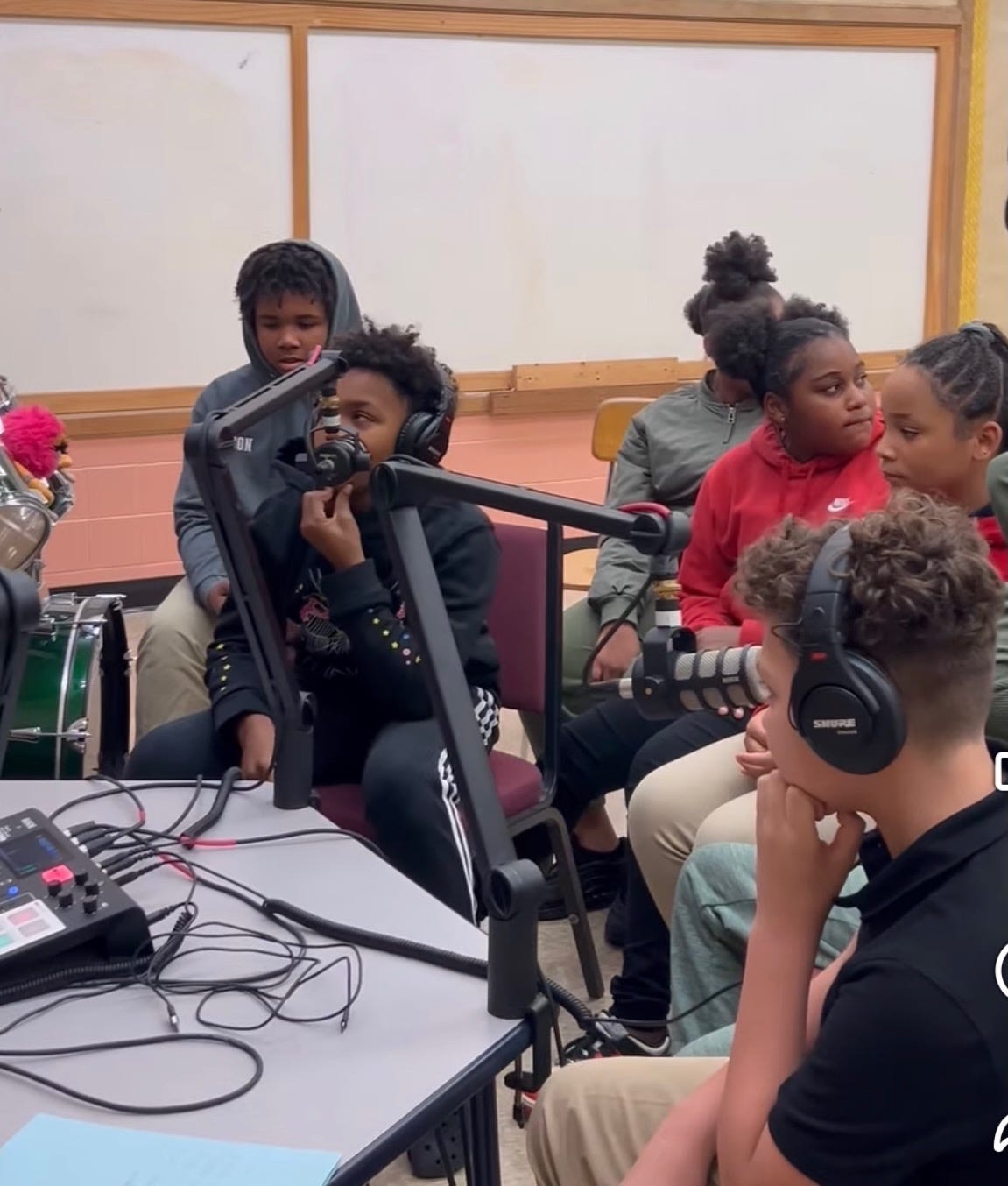
Stay Tuned Sandusky made a public records request to city officials for Frisby’s exit interview on Monday.
The central challenge facing municipal leadership is not merely replacing a position on an organizational chart, but recognizing that high-impact youth work relies on human trust rather than physical infrastructure alone. A new recreation facility should provide the space, but it does not automatically generate the mentorship, cultural connection, or neighborhood stability that Frisby and her staff cultivated.
Looking ahead
As the city conducts its search for a new community programs supervisor, community stakeholders are watching closely to see whether Sandusky leadership will address the systemic friction points directly.
To ensure a seamless transition and protect the integrity of local youth programming, city leaders face several key questions:
Pathways for Local Talent: How will the city structure career growth, competitive wages, and leadership opportunities for existing part-time staff who have already built deep trust with local children?
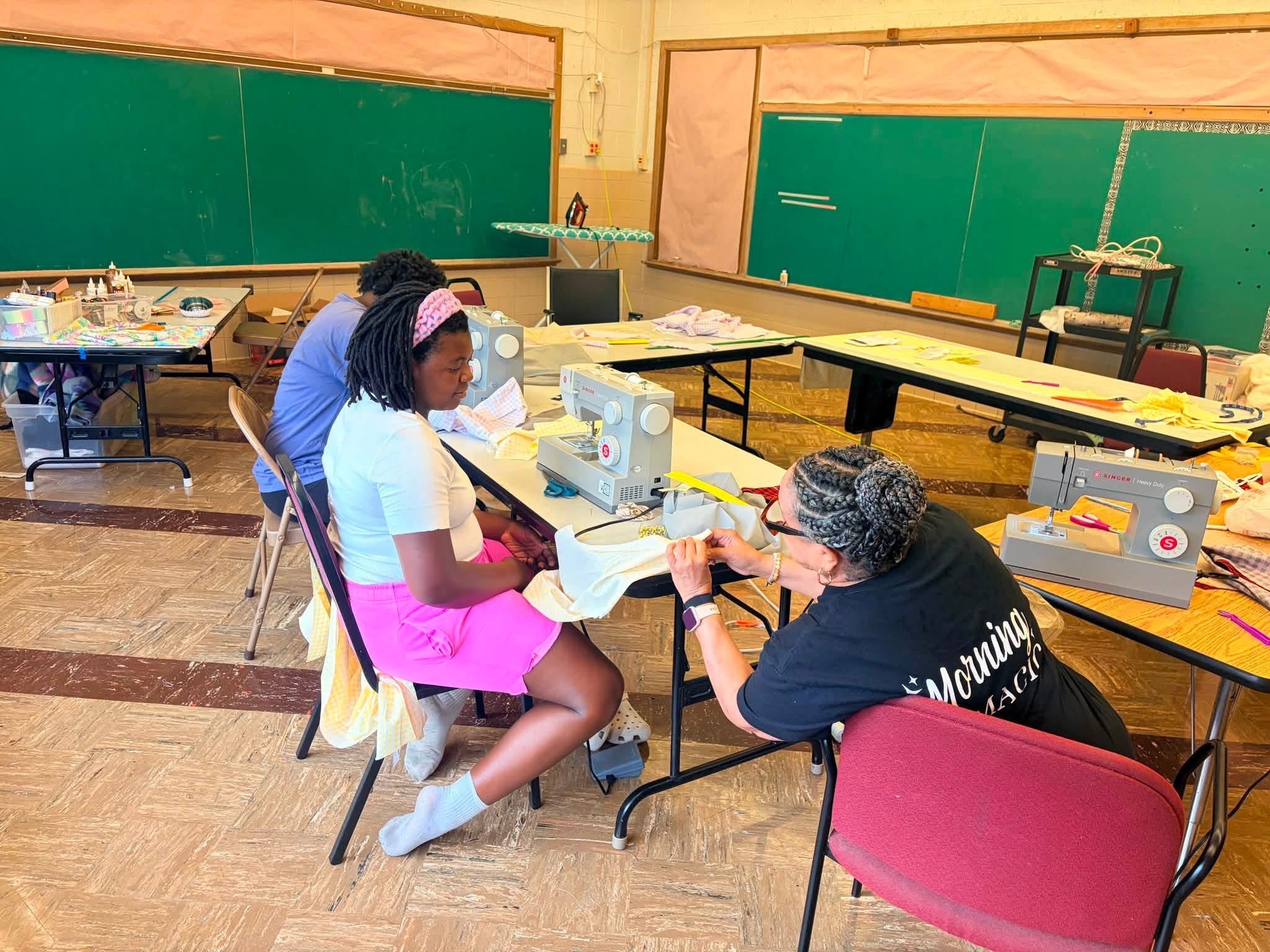
Programmatic Continuity: Will Frisby’s Midtown Supper Club continue to receive funding? How many “rooms” among the out-of-school programming at Mills School are being eliminated? Will there be a podcast studio at the new rec center, a reading room, a homework room, a sewing room or a chill spot? Which parts of the current programming will be retained; which parts are being eliminated and who made those decisions and how were they determined?
Institutional Climate: What steps are city administrators taking to examine internal workplace culture, ensuring that minority staff and program directors receive robust support when navigating administrative challenges, including systemic biases in the workplace?
City officials have expressed confidence that the upcoming hiring process and the completion of the new recreation center will yield expanded opportunities for all Sandusky children. Whether that vision succeeds may depend on the city’s willingness to candidly assess its operational deficiencies and invest meaningfully in the human capital already serving its neighborhoods.